19th-Century Medical Discipline
The “Black List Book” of Salisbury General Infirmary:
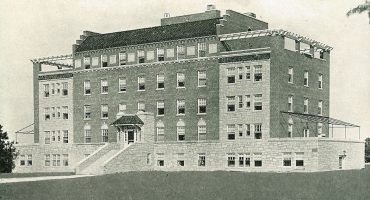
Before the formation of the National Health Service, healthcare was often a privilege extended through charitable institutions like the Salisbury General Infirmary, established in the 18th century. Access to treatment wasn’t guaranteed by right but was granted by recommendation, usually from a notable subscriber or benefactor. However, those fortunate enough to be admitted weren’t always fortunate in conduct.
Some patients found themselves on the wrong side of the rules and ended up recorded in what became known as the Black List Book: a register of individuals who absconded from the Infirmary or were discharged for improper conduct.
This remarkable historical document begins its entries on December 15th, 1804 and concludes on January 17th, 1914, spanning over a century of social attitudes, medical expectations and human behaviours within a charitable healthcare system. The cover has ink gothic script, a line outline, probably covered in vellum (a type of parchment made from calfskin) and marbled inner sheets.
How It Worked
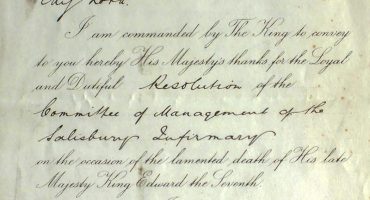
In those days, patients were often nominated for care by local aristocrats, clergy, or subscribers to the Infirmary’s charitable fund. Once admitted, patients were expected to follow strict institutional rules. See images below from the Infirmary Rule book of 1768 which states that every Benefactor or Subscriber, who donates one Guinea (£1 1 shilling), can recommend a patient for care at the hospital.
Misconduct, whether related to behaviour, hygiene or defiance was not only frowned upon but documented with clinical precision.
The register is laid out in a table format and includes:
• Date
• Name of Patient
• Parish
• Date of Admission
• Who Recommended Them
• Observations/Reason for Discharge or Absconding
A window into misconduct: Notable cases
Several entries stand out, not only for the nature of the behaviour but for what they reveal about societal expectations at the time.
• William Thomas (March 22, 1817) – all the way from Camborne, Cornwall, he “eloped, being suspected of larceny.” A dramatic way to exit a hospital ward.
• Mary Bennett (Feb 13, 1830) – Simply listed for “drunkenness and misconduct,” a combination that was, evidently, grounds for ejection.
• William Edwards (March 19, 1842) – Recommended by the Marquis of Aylesbury, yet discharged for “insubordination.” Even aristocratic backing didn’t guarantee leniency.
• Thomas Denny (August 6th, 1842) – Left “contrary to the advice of the surgeon.” His recommender, Rev. Thomas Fox, may have had words.
• Susan Harding (Feb 18, 1843) – Sponsored by none other than the Countess of Pembroke, she still “absconded.”
• Ellen Goodrich & Sarah Stride (April 1856) – Both admissions from St Edmunds and both discharged within weeks—for “riotous behaviour and disorderly conduct in Feversham Ward.”
• Patience Safe (Jan 15, 1876) – Noted for “misconduct, dirty habits and secreting article of food under her bed.” A sad reflection of mental illness or extreme poverty?
• John William Warren (May 21, 1892) – A criminal case: after discharge, he was imprisoned for stealing a coat from another patient at the Herbert Convalescent Home.
• Albert Crook (July 14, 1900) – “Absconded – dissatisfied with food.” A straightforward yet telling complaint.
• Thomas Paris (May 6, 1911) – His dismissal stemmed from “rudeness to sister.” A reminder of the rigid social decorum expected from patients.
Legacy and Reflection


The Black List Book is more than a disciplinary ledger, it’s a social history of healthcare, class and character. It reflects how personal behaviour was scrutinized under the lens of morality, propriety and gratitude, particularly when services were given as a charitable favour.
As modern patients benefit from universal healthcare rights, it’s worth reflecting on the precarious footing upon which our ancestors stood. A lapse in manners or a complaint about food could cost them their place in treatment.
The register now stands as an important historical document housed in our archives, shedding light on the intersection of healthcare, charity and social discipline in pre-NHS Britain.