John Wesley & Salisbury
In the 18th century, questions of health and healing were never far from people’s minds. Among the poor, access to medical care was limited and costly. At the same time, the ever-present threat of smallpox, a deadly epidemic disease, haunted families across Britain. Within this landscape, two very different approaches to health emerged in Salisbury’s story: John Wesley’s Primitive Physic and the founding of Salisbury General Infirmary.
John Wesley’s Primitive Physic
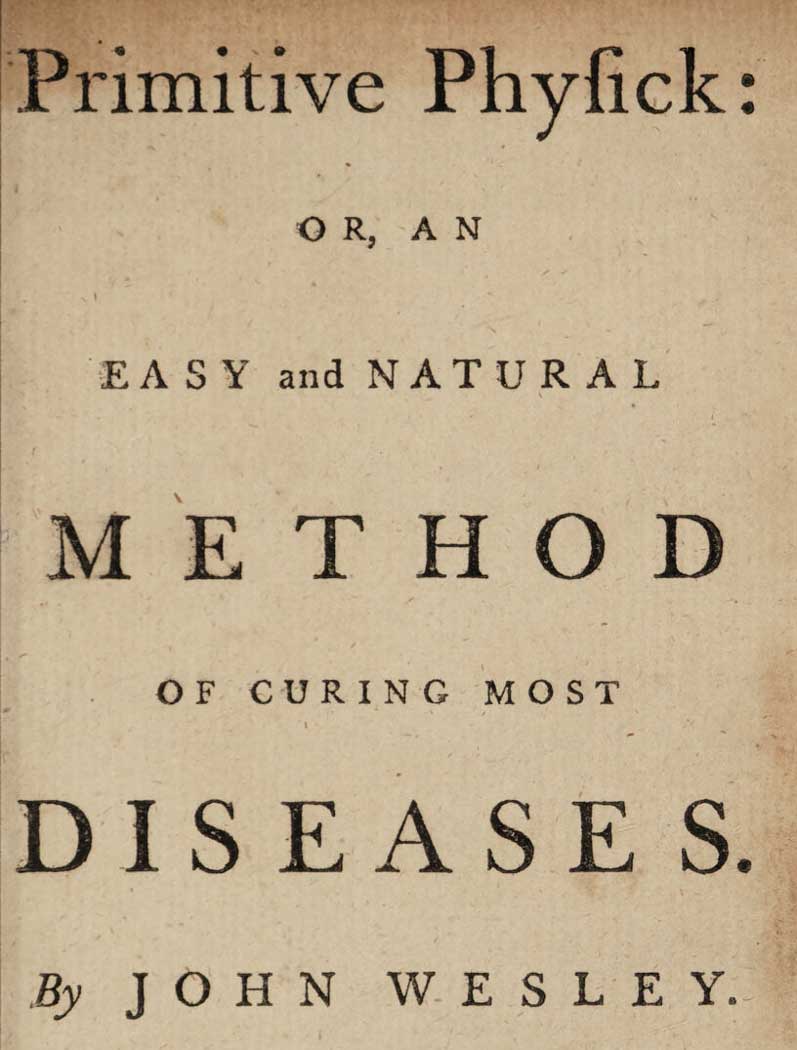
In 1747, John Wesley, the founder of Methodism, published Primitive Physic: An Easy and Natural Method of Curing Most Diseases. The little book offered hundreds of remedies, many based on herbs, diet and exercise. His aim was simple: to put health within reach of ordinary people who could not afford a doctor.
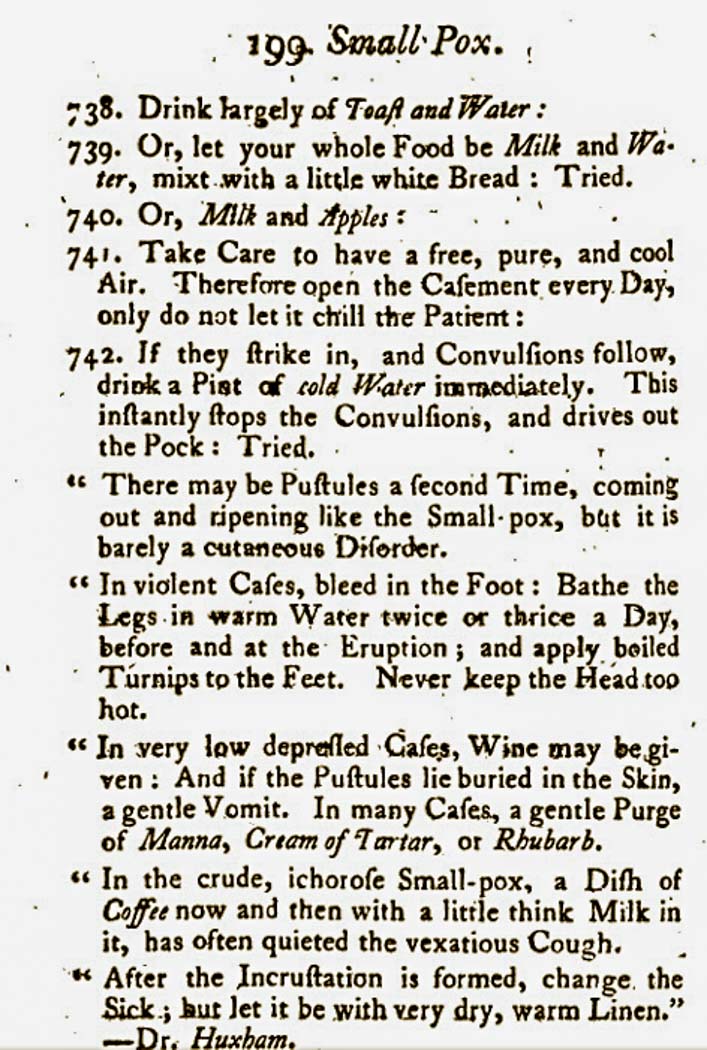
Smallpox gave Primitive Physic particular urgency. Wesley did not shy away from the disease, in fact he was one of the few clergy to support inoculation (a risky but sometimes life-saving procedure that introduced a mild form of smallpox to build resistance). For him, this was part of Christian duty: caring for the body, like caring for the soul, was an act of faith and compassion. Methodist societies often used Wesley’s book to care for one another during outbreaks, blending spiritual guidance with practical healthcare.
Salisbury General Infirmary
Two decades later, in 1767, Salisbury’s leading citizens founded a new infirmary for the “sick poor.” Opened in 1771, it was one of the region’s first purpose-built hospitals, funded by charitable donations. Patients were admitted by recommendation from subscribers (wealthy donors who supported the hospital) and treated by trained doctors and nurses.
Here too, smallpox loomed large. Hospitals like Salisbury’s became places where inoculation was discussed and, in some cases, practiced. See https://salisburyhealthcarehistory.uk/smallpox-cholera/ The Infirmary embodied the charitable ideals of the age: protecting the population from epidemic disease was seen not just as medical care but as a moral responsibility.
Two Approaches, One Concern
Though Wesley had no direct link with the Salisbury Infirmary, the overlap is striking. Both his Primitive Physic and the city’s new hospital grew out of the same urgent context: the need to care for the poor in the face of epidemic disease. Wesley’s approach was grassroots, empowering ordinary people with knowledge and remedies, even endorsing the controversial practice of inoculation. The Infirmary’s approach was institutional, rooted in philanthropy and professional medicine, with an eye to protecting the community as a whole.
Where Did Wesley Get the Remedies?
- Medical handbooks: He openly acknowledged borrowing remedies from existing medical texts.
- Correspondence and networks: Wesley exchanged ideas with physicians, laypeople, and fellow Methodists who contributed local cures and observations.
- Travel experience: As an itinerant preacher, he travelled thousands of miles across Britain, hearing from ordinary people about remedies they used.
- Experimentation: Wesley himself tested and adapted treatments, often revising later editions of Primitive Physic based on feedback and results.
Primitive Physic was essentially a compilation, part herbal guide, part self-help manual, part theological statement. Wesley gathered remedies from medical books, folk tradition and his own observations, then adapted them into a cheap, accessible handbook for the poor. It reflected his wider Methodist mission of making both faith and health practical and available to all. Link to an online version of the book Wesleyscholar.com
John Wesley in Salisbury
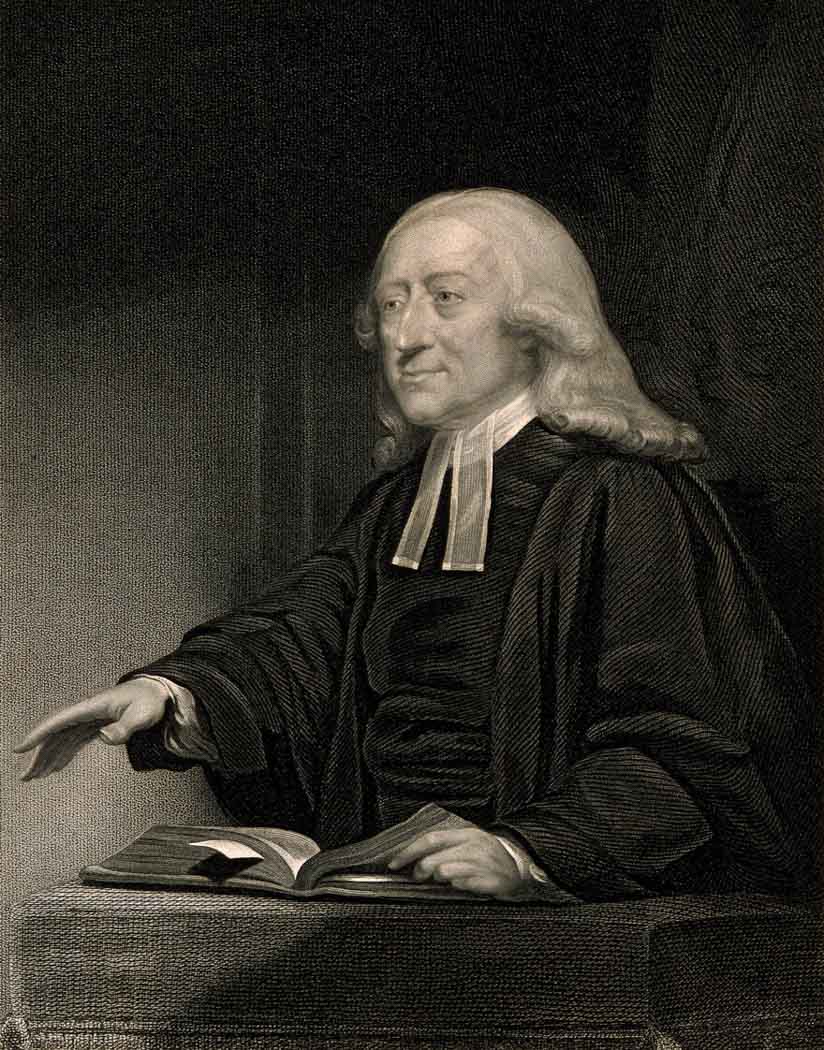
Salisbury holds a special place in the story of John Wesley, the influential 18th-century preacher and founder of Methodism. Known for his tireless travels across Britain, Wesley visited Salisbury numerous times as part of his mission to spread the message of practical Christianity and renewal within the Church of England.
John Wesley’s first recorded trip to Salisbury occurred in February 1738, when he visited his mother who was living with his sister and brother-in-law, Westley Hall, the Anglican curate at Fisherton Anger. This visit, meant as a familial stop, became the beginning of a lifelong connection with the city.
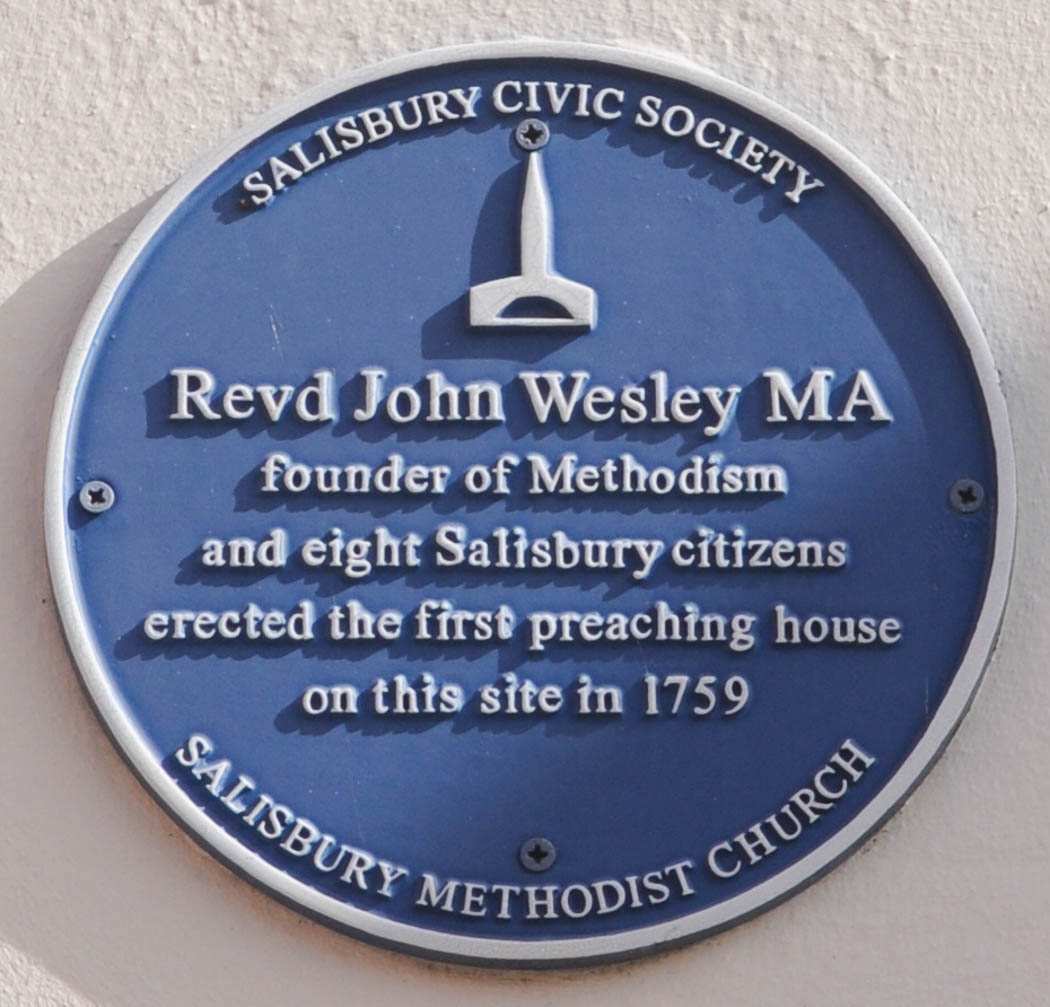
John Wesley’s visits weren’t just occasional stops but were the backbone of a spiritual awakening in Salisbury. Wesley’s presence, preaching and founding of a chapel established the roots of Methodism in the region. His journal entries and local records testify to a growing, engaged congregation that endures to this day. Read more about Wesley’s history at https://salisburymethodist.org.uk/history/