Thirty Feet Apart
Kate moved to Salisbury in 1984 to work as a night sister in the local hospital. Not long after, she came across information, perhaps in the Salisbury Journal or through colleagues, about the Common Cold Unit (CCU), a medical research facility that recruited volunteers for 10-day residential trials studying the common cold. Drawn by curiosity and an interest in supporting medical research, Kate volunteered several times, likely three or four, including the final intake before the Unit closed in 1989.
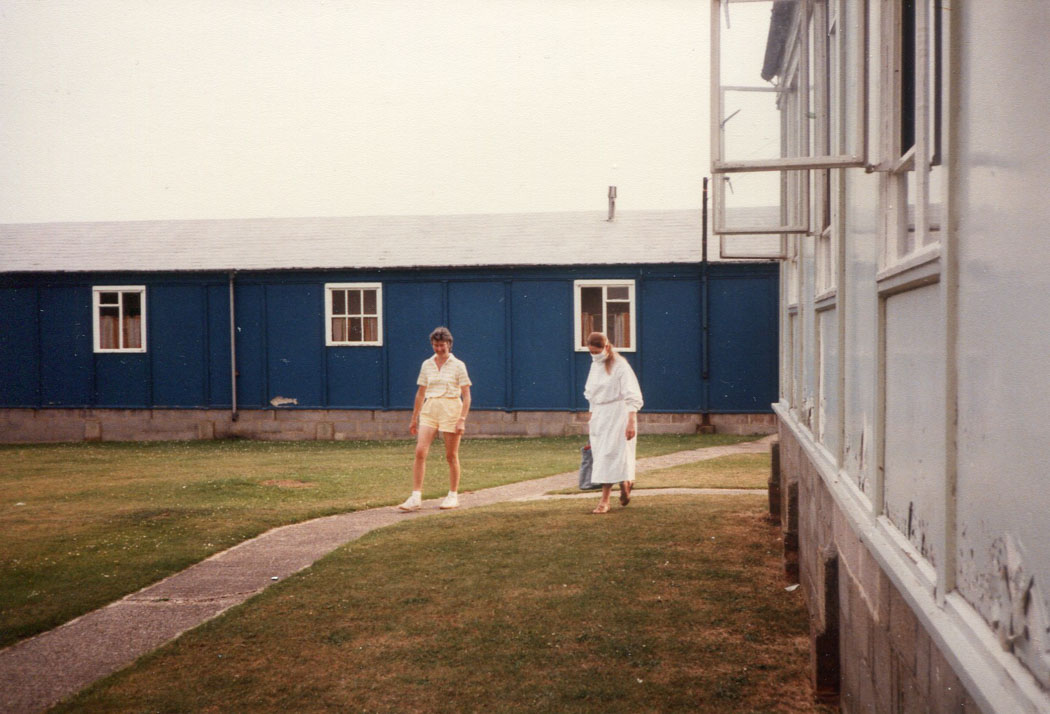
As a trained nurse, she found the trials both scientifically interesting and pleasantly relaxing. A “healthy holiday,” as she called it. Volunteers were housed in huts, simple prefabricated structures left over from the wartime American hospital that once occupied the site. Each hut accommodated up to four volunteers, with private bedrooms and a shared sitting room, kitchen and bathroom. Meals were delivered by staff in small vehicles, “the Ganymede”, after volunteers selected their food from a hospital-style menu. They even received a free daily newspaper.
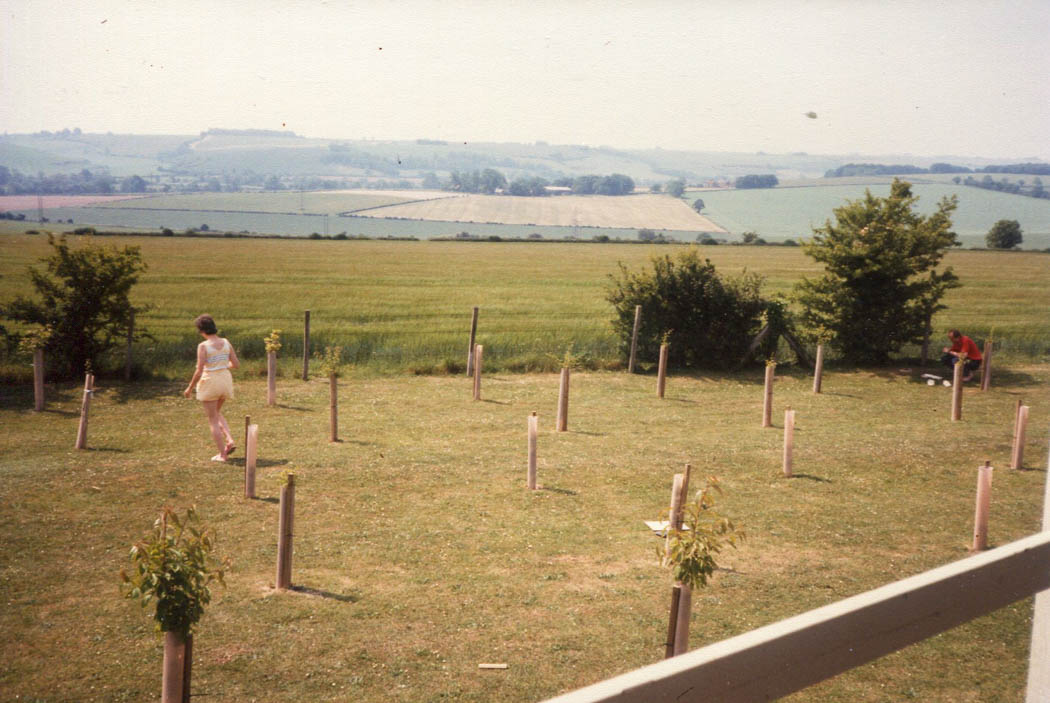
The CCU imposed strict hygiene and distancing rules to prevent cross-infection. Volunteers had to collect every used tissue in plastic bags for weighing and analysis and maintain about 30 feet of distance from anyone outside their hut group, a form of social distancing decades ahead of its time. When exercising or playing sports such as table tennis or badminton, groups had to allow a half-hour gap between sessions to avoid close contact. Outdoors, exercise bikes stood in the open air and the site was surrounded by scenic walking paths through the countryside. Locals knew to keep their distance if they saw people walking with tissues to their noses, recognizing them as cold unit volunteers.
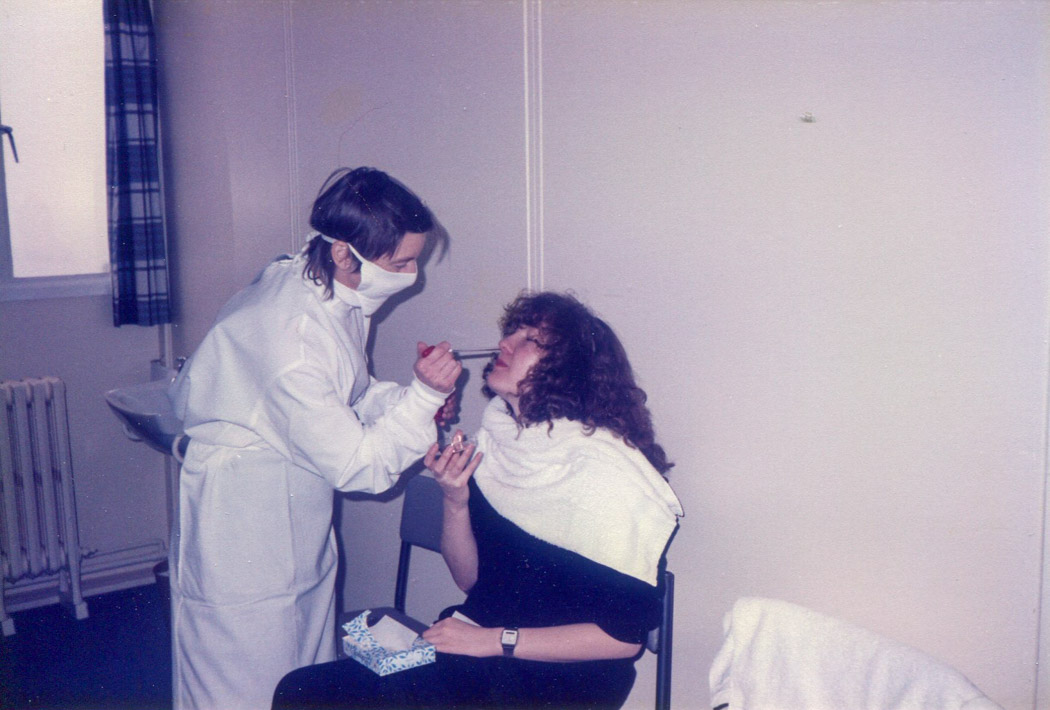
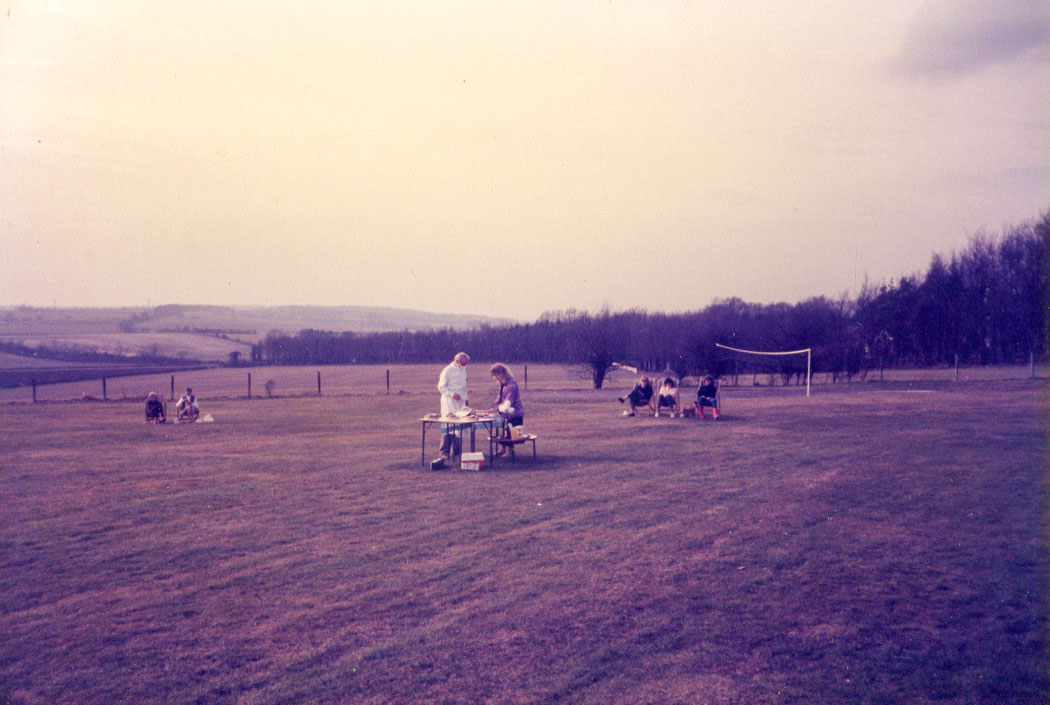
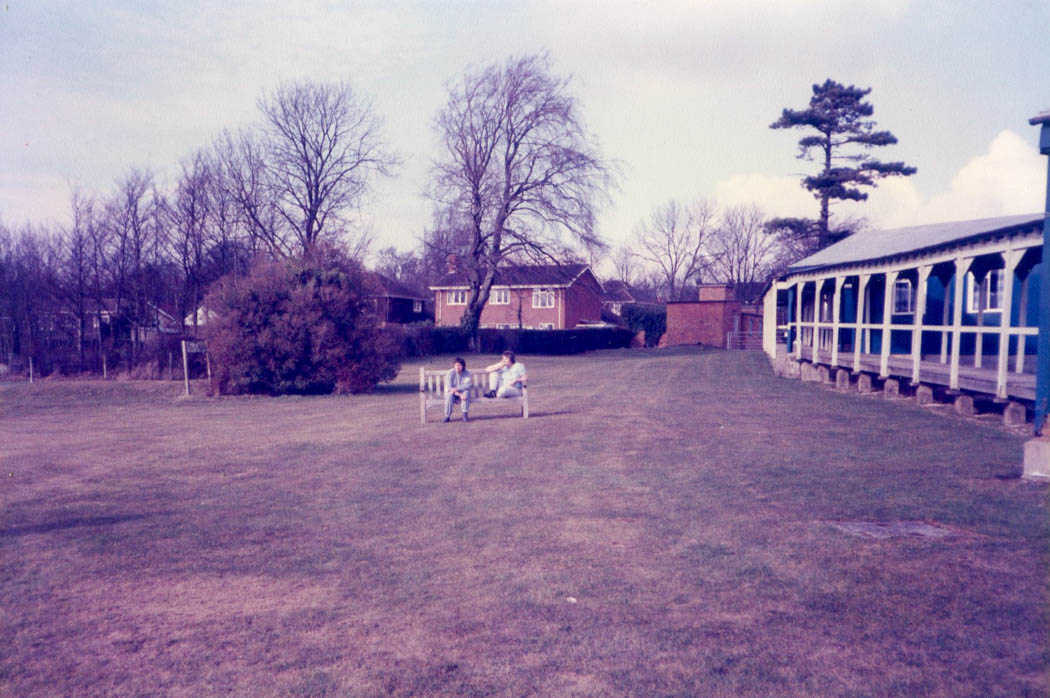
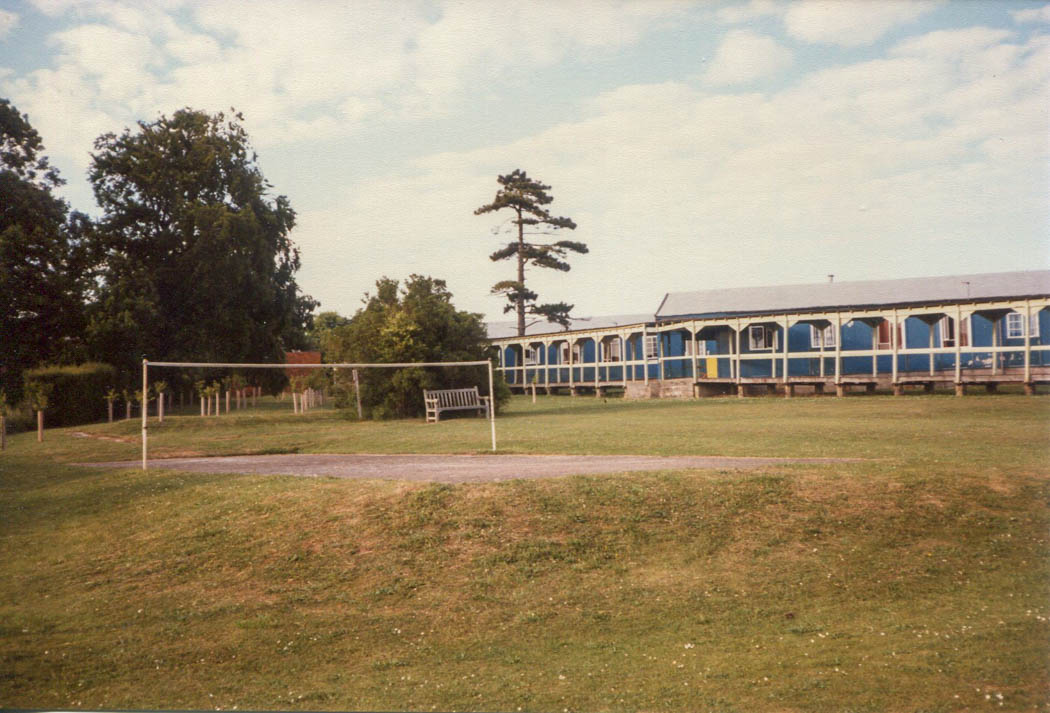
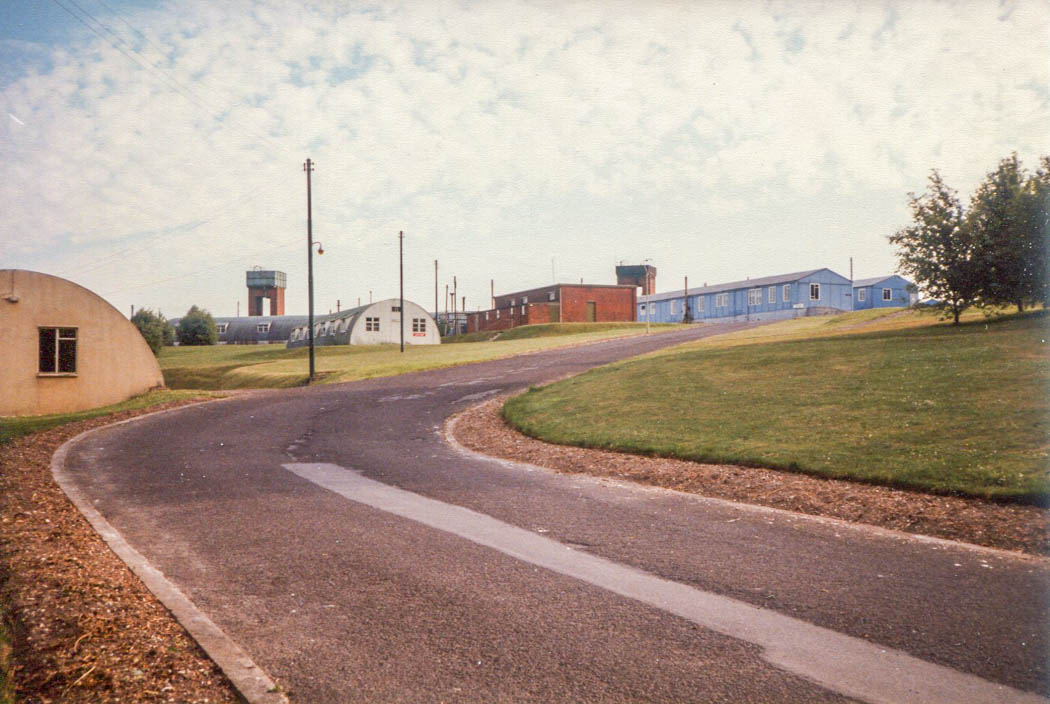
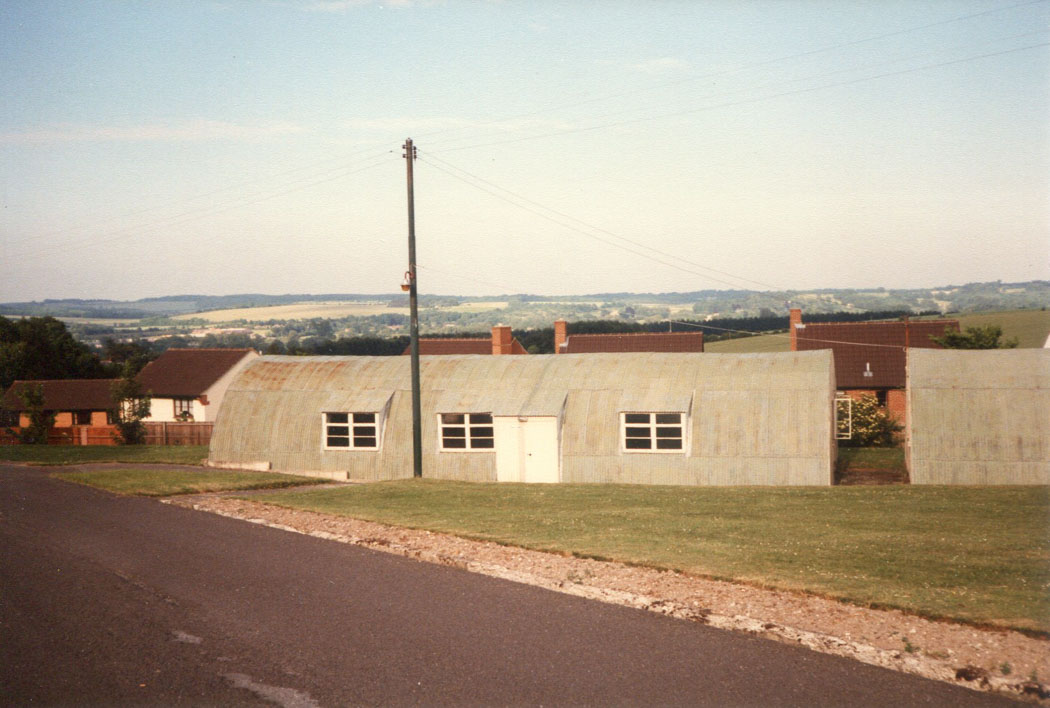

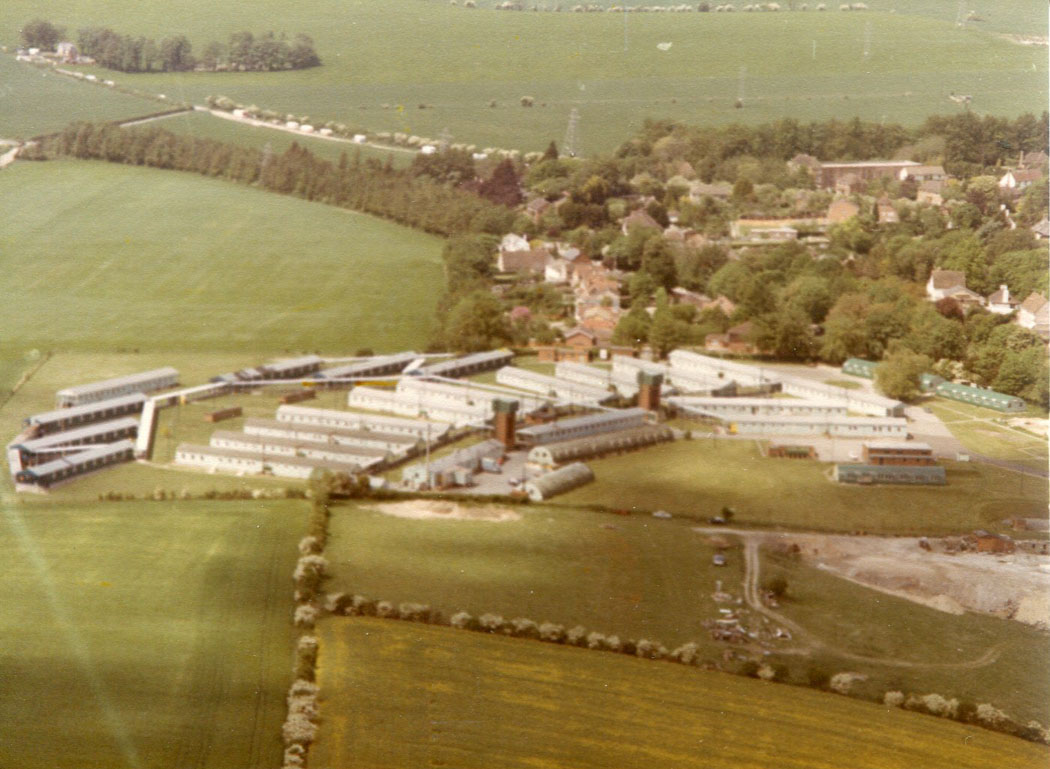
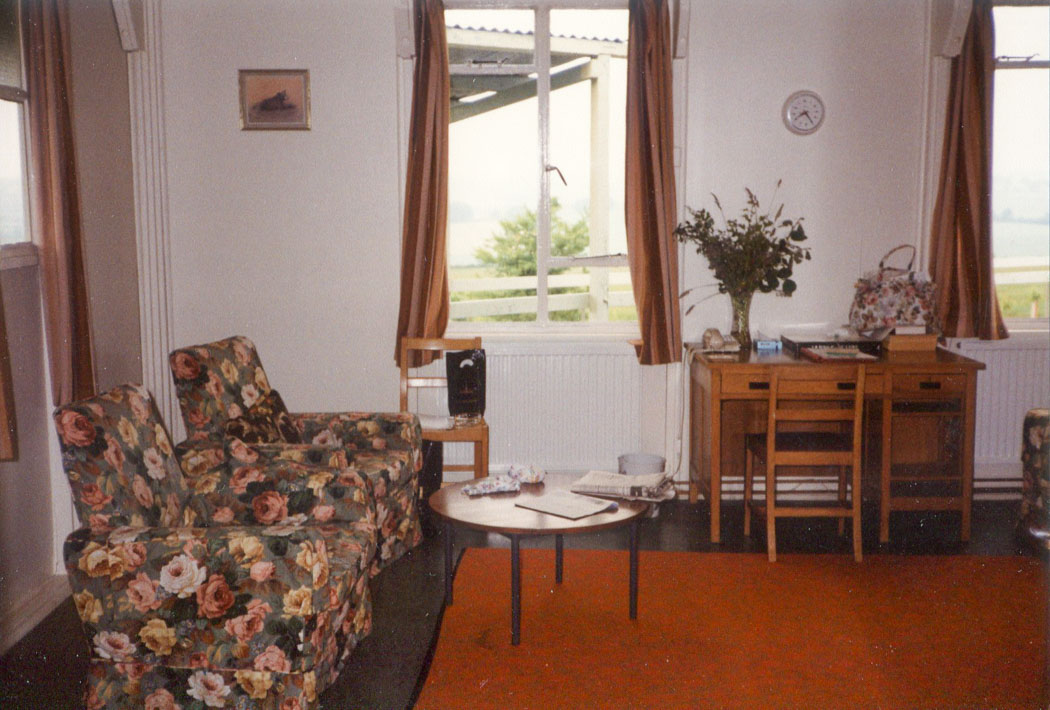
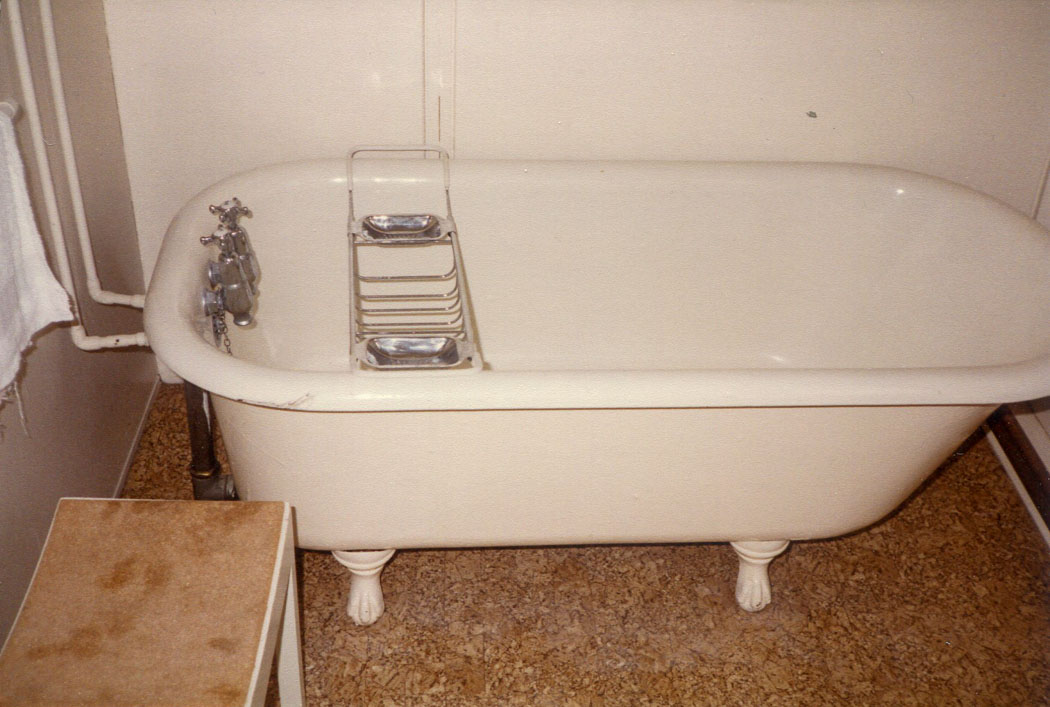
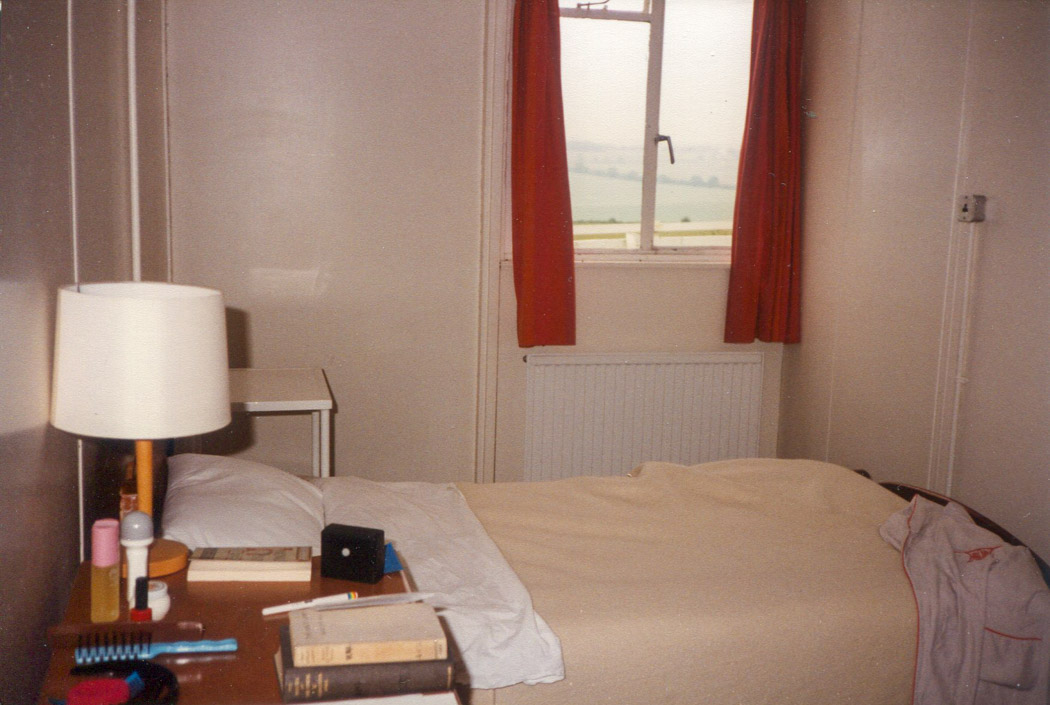
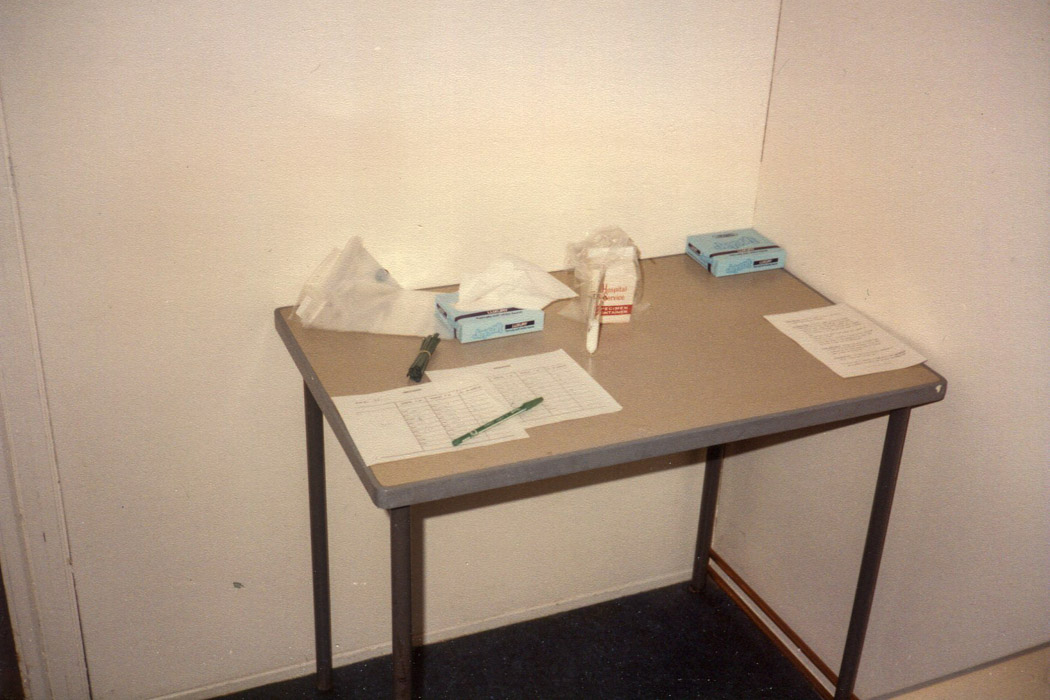
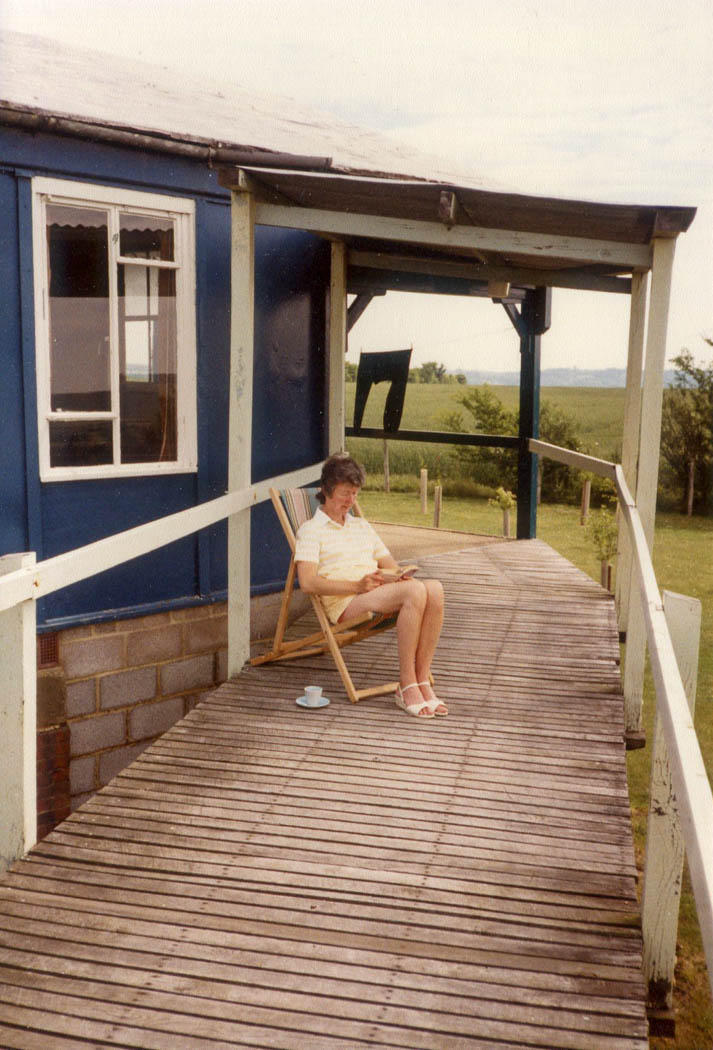
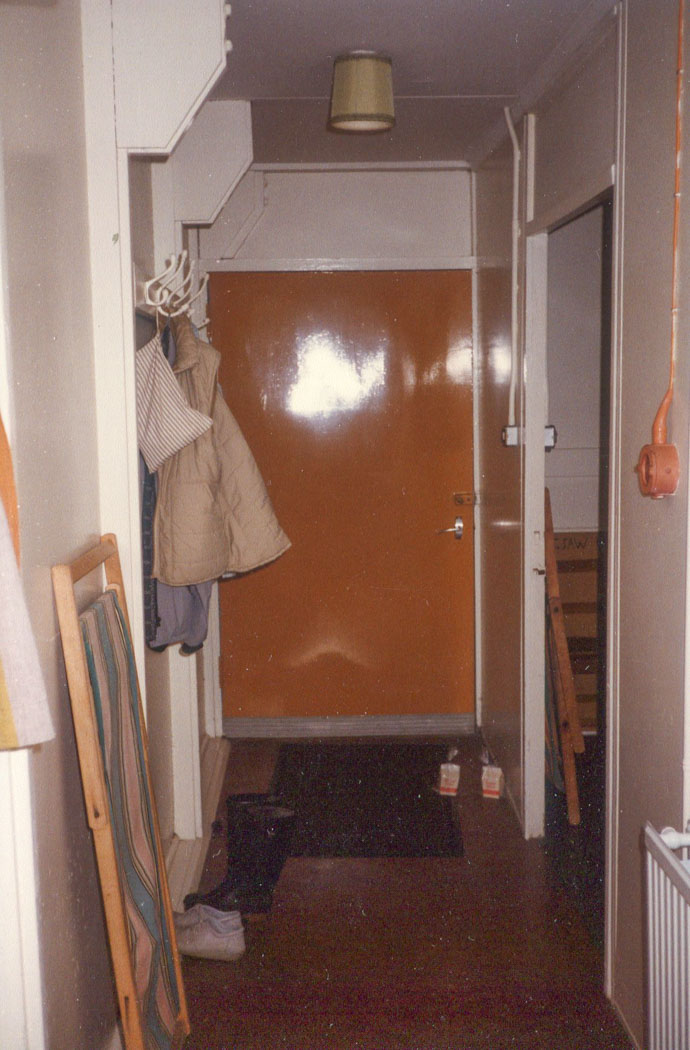
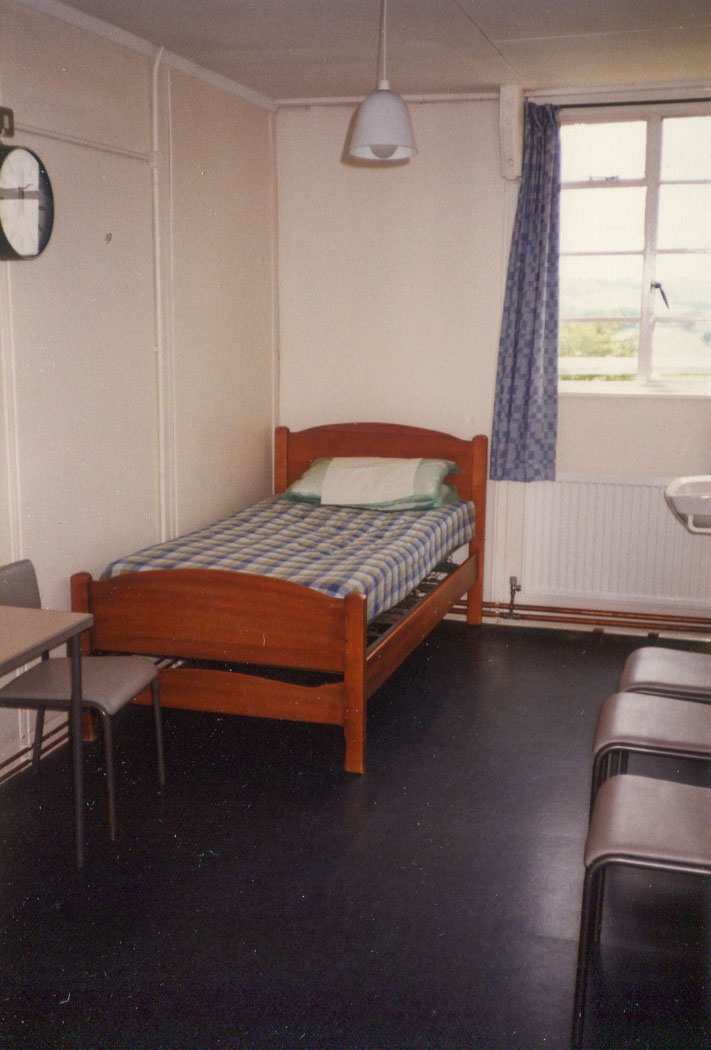
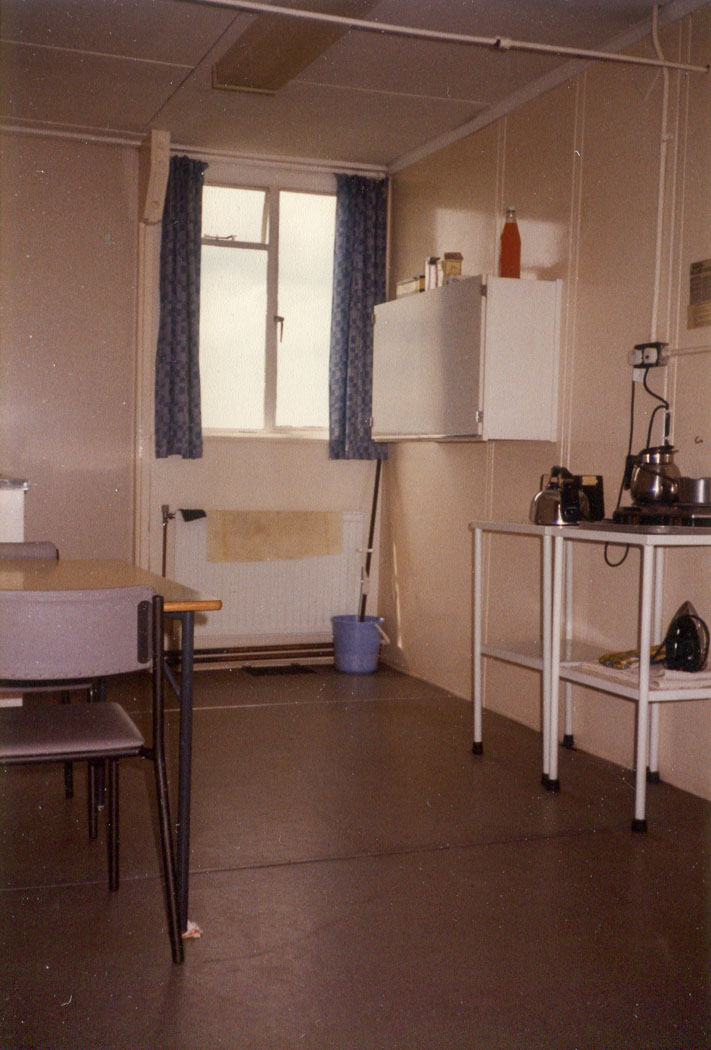
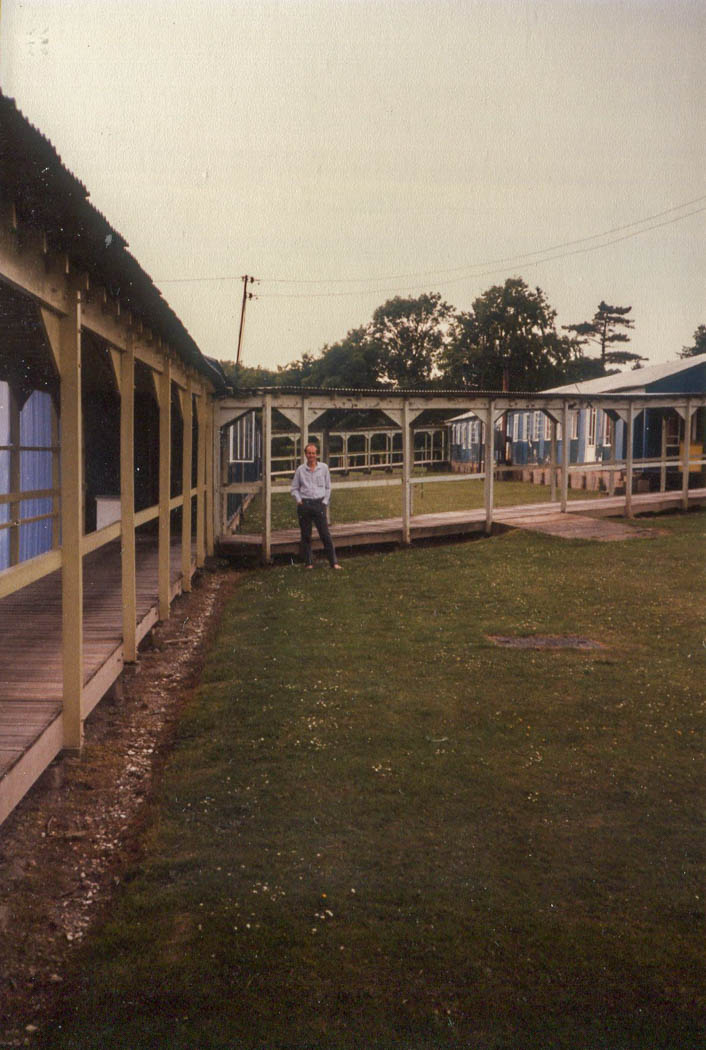
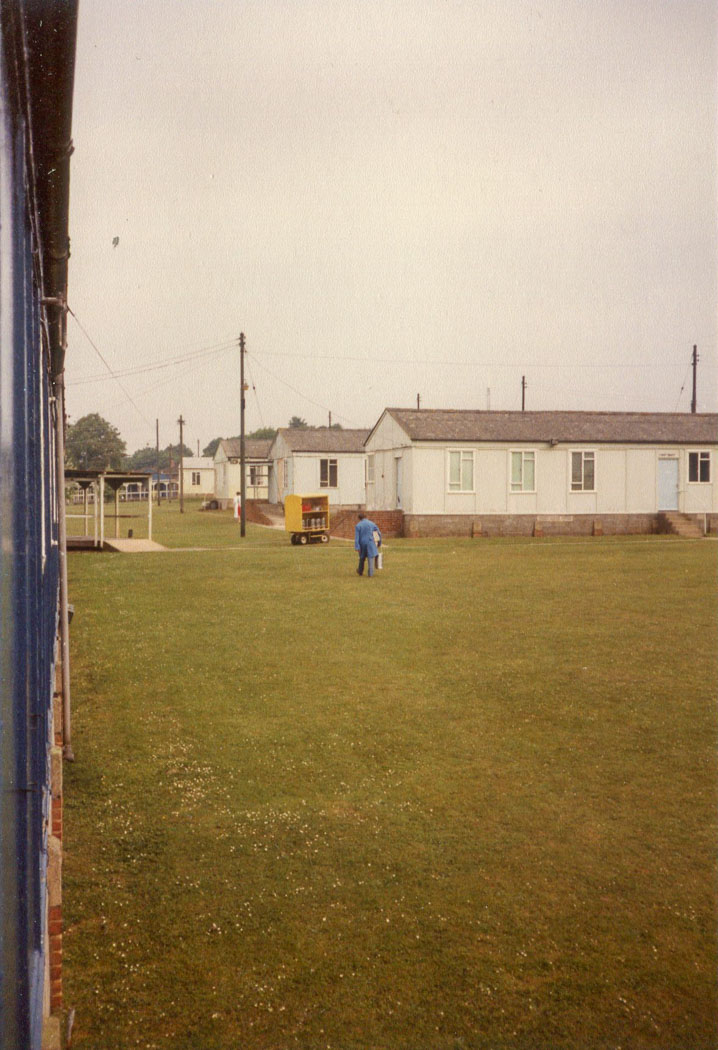
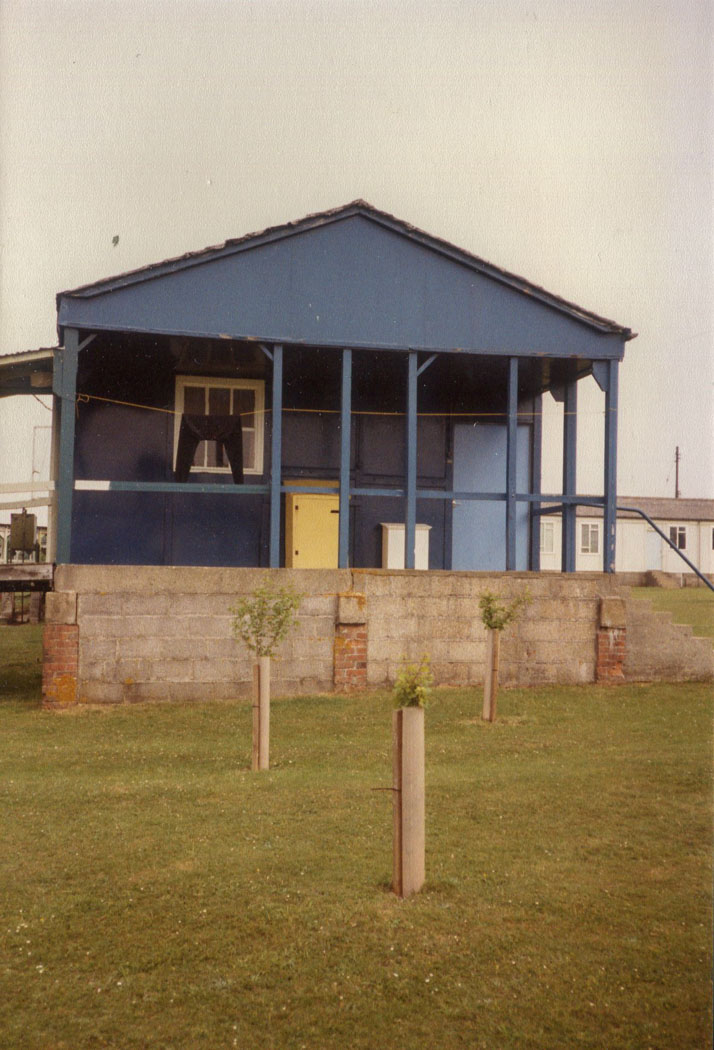
Kate recalled the layout of the large, spread-out site, arranged in a fan-like pattern of huts connected by raised wooden walkways, designed to keep feet dry in wet weather. She remembered hearing the sound of the Ganymede trolley trundling along the planks or the footsteps of Sister Dalton, one of the nurses in charge, often accompanied by her small dog, Scruff. The volunteers’ experience was closely supervised, though the researchers generally left them to their own routines.
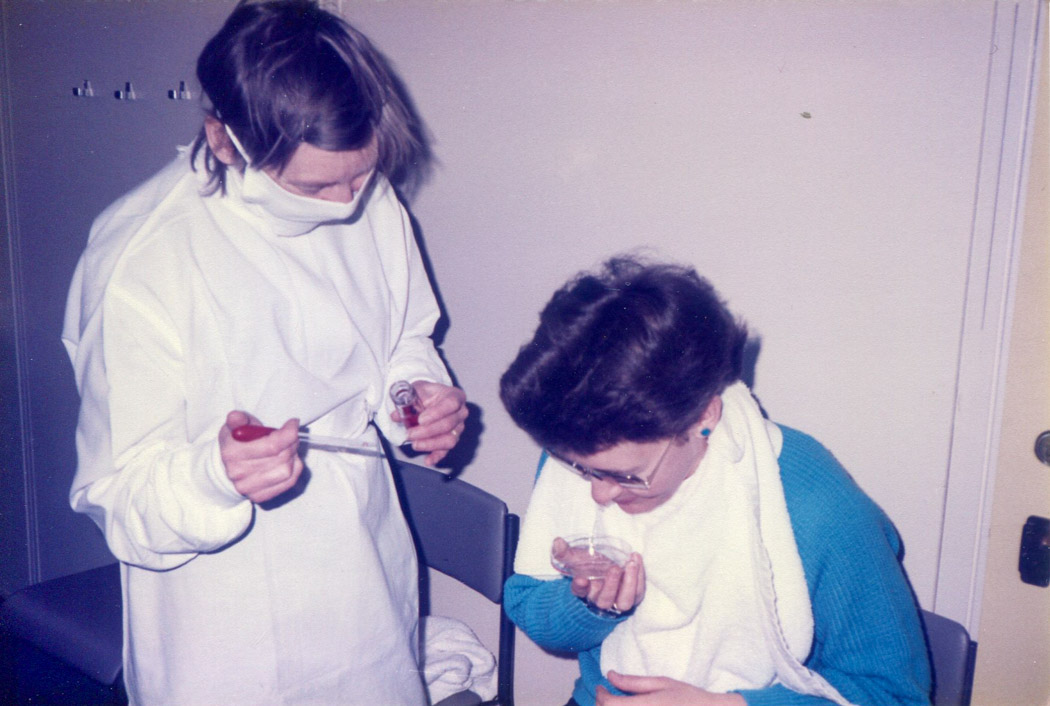
Each trial began with a screening period to ensure volunteers hadn’t brought in any infections. Afterward, participants were administered nasal drops or sprays, either the virus under study or a placebo, and monitored for symptoms. Kate never recalled becoming ill herself but remembered that at the end of each trial, volunteers were told whether they had received the active virus or a placebo.
Her memories include a particularly vivid birthday celebration, when one volunteer’s cake was placed in the middle of a large grassy area. Groups from each hut sat 30 feet apart in a wide circle, taking turns to collect slices of cake from a masked doctor in the centre; a moment of light-heartedness within the strict protocol.
Kate brought several photographs to the interview, dated from 1986 and 1988, showing the huts, the walkways and fellow volunteers relaxing in deck chairs during the summer. Others depicted the nurses and doctors in masks and gowns, the food trolley and even the medical procedures such as nasal sprays being administered. Among the staff she remembered were Dr. Barrow, Professor Higgins, and Audrey affectionately known as the “welly lady” for distributing Wellington boots to volunteers heading out on walks.
Her brother also participated in a later trial in 1989 and she shared his diary from the experience. Together, their accounts illustrate both the scientific rigor and the unusual camaraderie of the Common Cold Unit’s final years.
For Kate, volunteering was a mix of curiosity, community and quiet retreat. It was a time away from the hospital wards to contribute to medical research in a setting that blended discipline with a sense of adventure.
Listen to Kate talking about her time at the Common Cold Hospital: